 Seba.Health
Key Takeaways
- Koch proposes a unified theoretical framework for embodied arts therapies — dance/movement therapy, music therapy, art therapy, and drama therapy — arguing that these modalities share a common therapeutic mechanism: the engagement of the body as both medium and agent of psychological transformation.
- The paper draws on enactive and embodied cognition theories to argue that the arts therapies' therapeutic power lies in their capacity to access pre-verbal, sensorimotor, and affective levels of experience that verbal psychotherapies cannot reach directly — making them essential rather than supplementary for populations with pre-verbal trauma or alexithymia.
- Koch identifies three embodied mechanisms through which arts therapies produce change: kinesthetic empathy (the body's direct resonance with observed or enacted movement), embodied metaphor (the creation of symbolic meaning through physical action), and rhythmic synchrony (the physiological entrainment between individuals engaged in shared creative activity).
The Body as Creative Agent
Koch’s 2011 paper proposes a theoretical unification of the creative arts therapies — dance/movement therapy, music therapy, art therapy, and drama therapy — under the umbrella of embodied cognition. The central argument is that these modalities, despite their surface diversity, share a common therapeutic mechanism: they engage the body as both the medium through which psychological content is expressed and the agent through which psychological change occurs. The body is not a vehicle for the mind’s messages; it is itself a form of intelligence that creates, communicates, and transforms through movement, rhythm, image, and enactment.
Three Mechanisms of Embodied Transformation
Koch identifies three mechanisms through which embodied arts therapies produce therapeutic change. First, kinesthetic empathy: the body’s capacity to resonate directly with the movement, rhythm, and posture of another body, creating a pre-verbal channel of interpersonal communication that operates below the threshold of conscious awareness. The therapist who moves with the patient, or the group member who mirrors a fellow participant’s gesture, is not merely performing a technique but engaging in a form of bodily dialogue that communicates understanding, attunement, and presence more directly than words. Second, embodied metaphor: the creation of symbolic meaning through physical action. The patient who sculpts a figure of their fear, dances their grief, or drums the rhythm of their rage is not illustrating a pre-existing cognitive understanding but generating new meaning through the body’s creative engagement with the world. Third, rhythmic synchrony: the physiological entrainment that occurs when individuals engage in shared rhythmic activity — drumming together, dancing in unison, singing in chorus — producing measurable synchronization of heart rate, breath, and autonomic arousal that creates the embodied basis for social bonding and group cohesion.
The Pre-Verbal Territory
Koch’s framework has particular significance for clinical populations whose psychological difficulties originated before the acquisition of language. Pre-verbal trauma — abuse, neglect, or disrupted attachment occurring in infancy or early childhood — is encoded in the body’s sensorimotor patterns rather than in narrative memory. Verbal psychotherapy, however skillfully conducted, cannot directly access what was never verbally encoded. The arts therapies, by engaging the body’s sensorimotor intelligence through movement, rhythm, and creative action, provide a therapeutic pathway into pre-verbal territory that talk therapy must approach indirectly if it can reach it at all. This is not a supplementary benefit; for pre-verbal populations, it is the primary therapeutic channel.
The Depth Connection
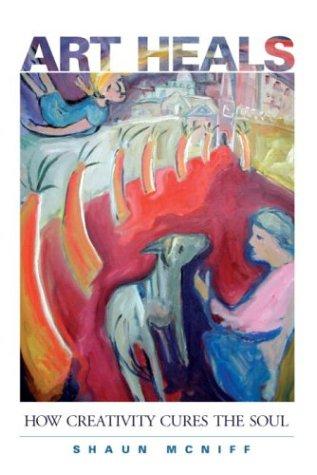
Koch’s framework intersects productively with the depth tradition’s long engagement with creative expression as a therapeutic medium. Jung’s active imagination, Kalff’s sandplay, McNiff’s art-as-medicine, and Woodman’s body-soul workshops all engage the body as a creative agent of psychological transformation. Koch provides the embodied cognition framework that connects these practices to contemporary neuroscience, demonstrating that the depth tradition’s reliance on creative embodied practice is not merely clinically intuitive but scientifically grounded in the body’s role as a generator — not merely a receptor — of psychological meaning.
Sources Cited
- Koch, S. C. (2011). Embodied arts therapies. The Arts in Psychotherapy, 38(4), 273–280.
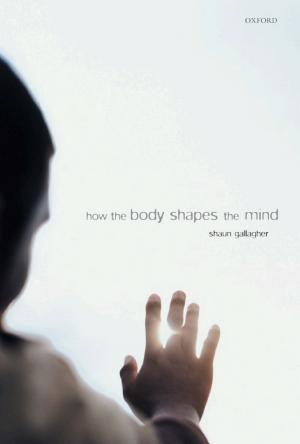
- Gallagher, S. (2005). How the Body Shapes the Mind. Oxford University Press.
- McNiff, S. (1992). Art as Medicine: Creating a Therapy of the Imagination. Shambhala.