 Seba.Health
Encounters with the Numinous
Awe, the sacred, and peak experience — what happens when the ordinary cracks open and something overwhelming comes through.
The numinous is Rudolf Otto’s word for the experience that precedes all theology — the encounter with something wholly other, something that simultaneously terrifies and fascinates, that makes the knees buckle and the hair stand and the rational categories collapse. Every religion is built on the memory of such encounters. Every ritual is an attempt to reproduce them. And every secularization is an attempt to explain them away.
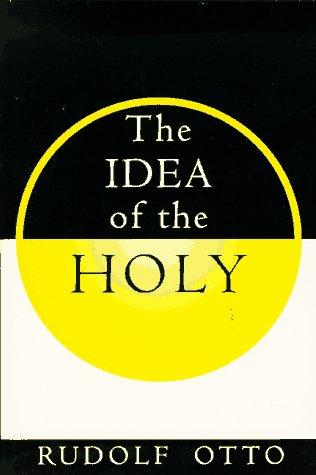
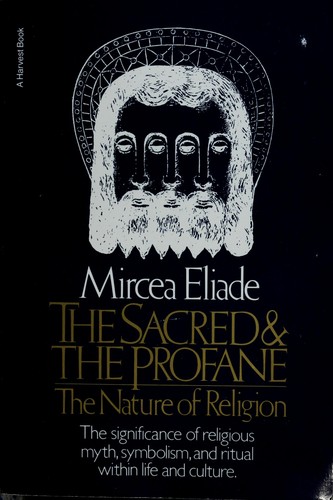
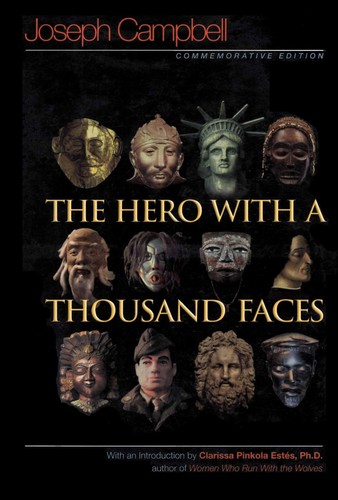
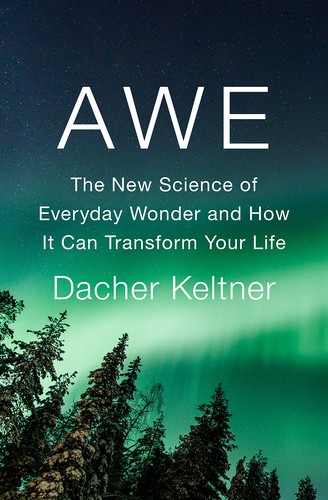
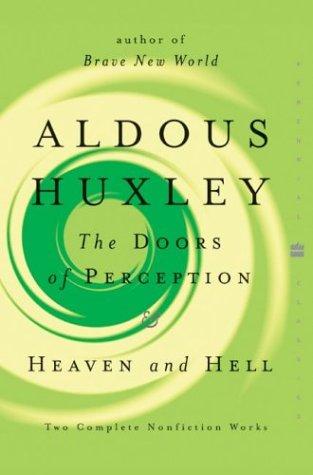
Begin with Otto, who named the experience and insisted that it is irreducible — not analyzable into moral sentiment or aesthetic pleasure but a category of its own: the mysterium tremendum et fascinans. Eliade maps how human societies have organized space, time, and narrative around the sacred and what happens when the sacred withdraws. Maslow brings the conversation into psychology: peak experiences are not pathological, not delusional, not confined to the religiously inclined — they are natural capacities of the healthy organism, suppressed by a culture that cannot account for them. Campbell reads the numinous through myth: the hero’s journey is the universal structure of encounter, descent, transformation, and return. Keltner provides the contemporary science — awe as a measurable physiological and psychological state with real effects on prosocial behavior, physical health, and the sense of self. End with Huxley, whose Doors of Perception is the record of a single afternoon that dissolved the reducing valve of ordinary consciousness and let everything else in.
This path moves from phenomenology to science to direct experience. The sequence matters less than the willingness to take the subject seriously.
Books in This Path
We store your email and which pages you save. That's it. Ever.