 Seba.Health
Trauma and the Body
How trauma is held in the body and what it takes to release it — from foundational neuroscience to clinical application.
The body keeps score not as metaphor but as mechanism. Trauma reorganizes the brain, alters the stress response, and encodes itself in posture, sensation, and the rhythms of breath. Understanding this is prerequisite to understanding recovery — not as behavioral change, but as physiological restoration.
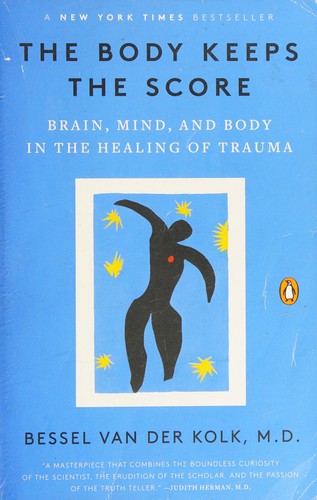
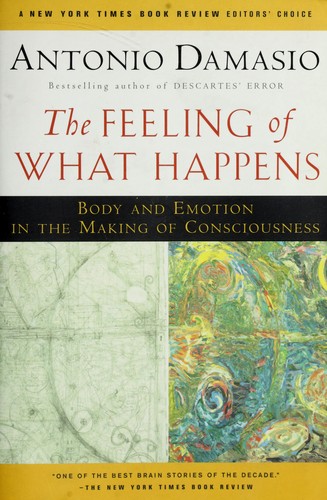
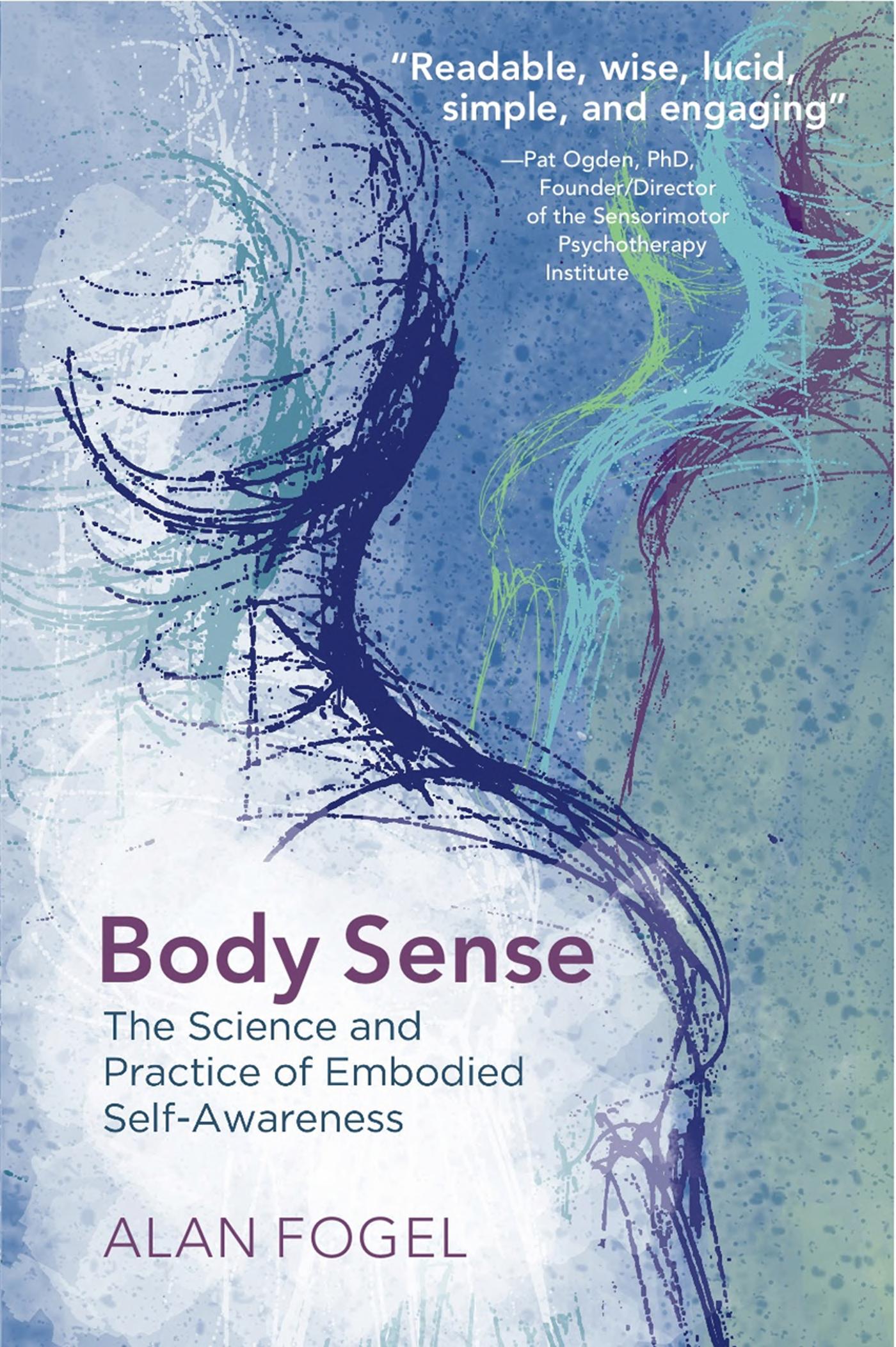
Begin with van der Kolk, who synthesized three decades of clinical evidence into the argument that trauma is a somatic event before it is a psychological one. Move to Porges, whose polyvagal theory explains the autonomic hierarchy that determines whether the body can engage, must fight, or must collapse. Then Levine, who developed the somatic practice that follows from this understanding — trauma as incomplete body response, healing as the completion of interrupted defensive movements. Damasio provides the theoretical foundation: feeling is the body’s primary intelligence, and the organism’s capacity to know its own state is the ground of consciousness itself. End with Fogel, who maps the phenomenology of body awareness — what it means to attend to the body’s signals and what is lost when that capacity is disrupted.
Work through these books in sequence. Let each one settle before moving to the next.
Books in This Path


We store your email and which pages you save. That's it. Ever.