 Seba.Health
Addiction, Recovery, and the Soul
A depth psychology reading sequence on addiction — not as moral failure or brain disease, but as the soul's catastrophic search for wholeness.
The depth psychology of addiction begins with a paradox: the addict is seeking something real through something that destroys the capacity to find it. Woodman calls it the addiction to perfection — the relentless pursuit of an ideal that consumes the body it inhabits. Maté locates the origin in childhood pain and the desperate attempt to regulate what was never properly co-regulated. The substance is not the problem. The substance is the solution that became the problem.
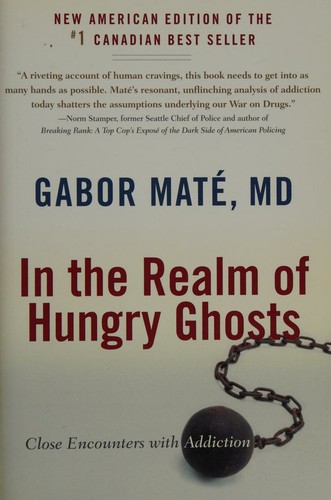
Begin with Woodman, whose Addiction to Perfection places the addictive pattern inside the archetypal structure of the psyche — the devouring mother, the rejected body, the drive toward a purity that annihilates the flesh. Move to Maté, who grounds the same insight in neuroscience and childhood adversity. Flores reframes addiction as an attachment disorder — not a failure of willpower but a failure of early bonding, the organism seeking in substances what it never received in relationship. Grof pushes further: the thirst for wholeness is spiritual, not merely psychological, and the addict’s craving is a misdirected search for transcendence. Kurtz tells the history of AA — not as self-help but as a movement that discovered, through trial and catastrophe, that the admission of limitation is the doorway to recovery. End with Peterson’s Shadow of a Figure of Light, which reads the alcoholic journey through Homer, Jung, and the Twelve Steps.
This sequence moves from the interior to the communal, from the individual psyche to the collective container that makes recovery possible.
Books in This Path





We store your email and which pages you save. That's it. Ever.