 Seba.Health
The Feeling Function
What it means to feel — from Jung's typology through Hillman's reimagining to the neuroscience that confirmed it as the body's primary intelligence.
Jung defined feeling as a rational function — not emotion, not sentiment, but the capacity to evaluate by value. Feeling tells you what matters. It is how the psyche weighs, ranks, and assigns significance. The Western tradition has consistently confused feeling with emotion and then dismissed both as obstacles to clear thought. This reading path follows the recovery of feeling as intelligence.
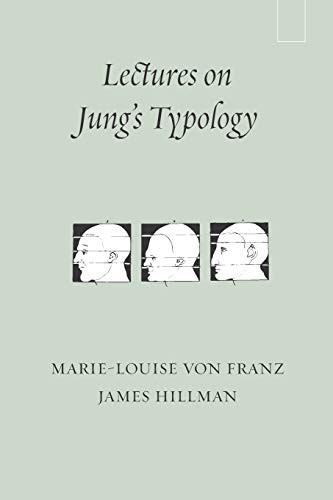
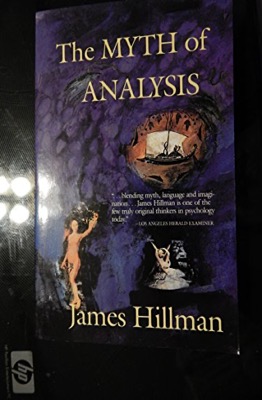
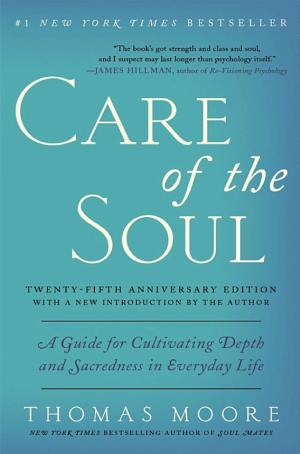
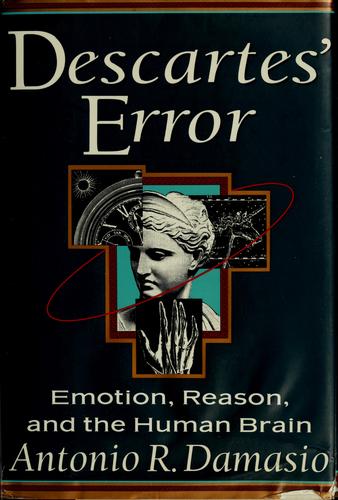
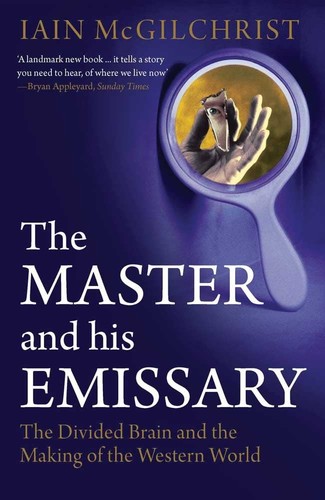
Start with von Franz and Hillman’s Lectures on Jung’s Typology, where the four functions are laid out in their original Jungian framework and feeling is distinguished from emotion with clinical precision. Hillman’s Myth of Analysis pushes the argument further: the Western tradition’s elevation of logos over eros, of analysis over feeling, is itself a pathology — the myth that understanding must be dispassionate to be true. Moore brings the conversation to lived practice: caring for the soul is an act of the feeling function, not a program of self-improvement. Then Damasio, who demonstrated neurobiologically what Jung intuited typologically — that reason without feeling is not hyper-rational but incompetent, that the body’s evaluative signals are constitutive of sound judgment. End with McGilchrist, whose hemisphere thesis maps the feeling function onto the right brain’s holistic, contextual, relational mode of engagement with the world — the master that the left hemisphere’s analytic emissary was meant to serve.
The thread is consistent: feeling is not the opposite of thinking. It is its prerequisite.
Books in This Path
We store your email and which pages you save. That's it. Ever.