 Seba.Health
The Alchemy of Transformation
The alchemical opus as a map of psychological transformation — from Jung's discovery through Edinger's interpretation to Hillman's reimagining.
Jung did not discover alchemy. He recognized it. In the dreams of his patients he found images — vessels, fires, dissolutions, conjunctions — that reproduced alchemical symbolism with no prior knowledge of the tradition. The alchemists, he concluded, had projected the individuation process onto matter. Their opus was not proto-chemistry. It was psychology, written in the only language available before psychology existed.
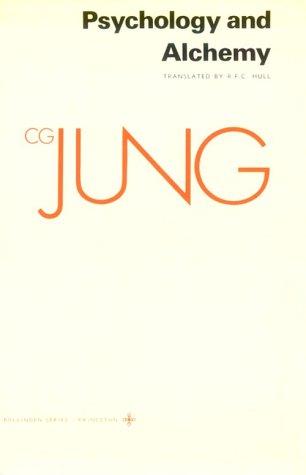
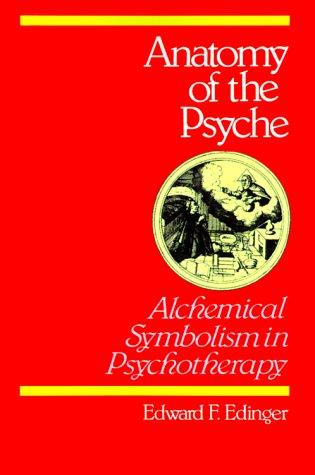
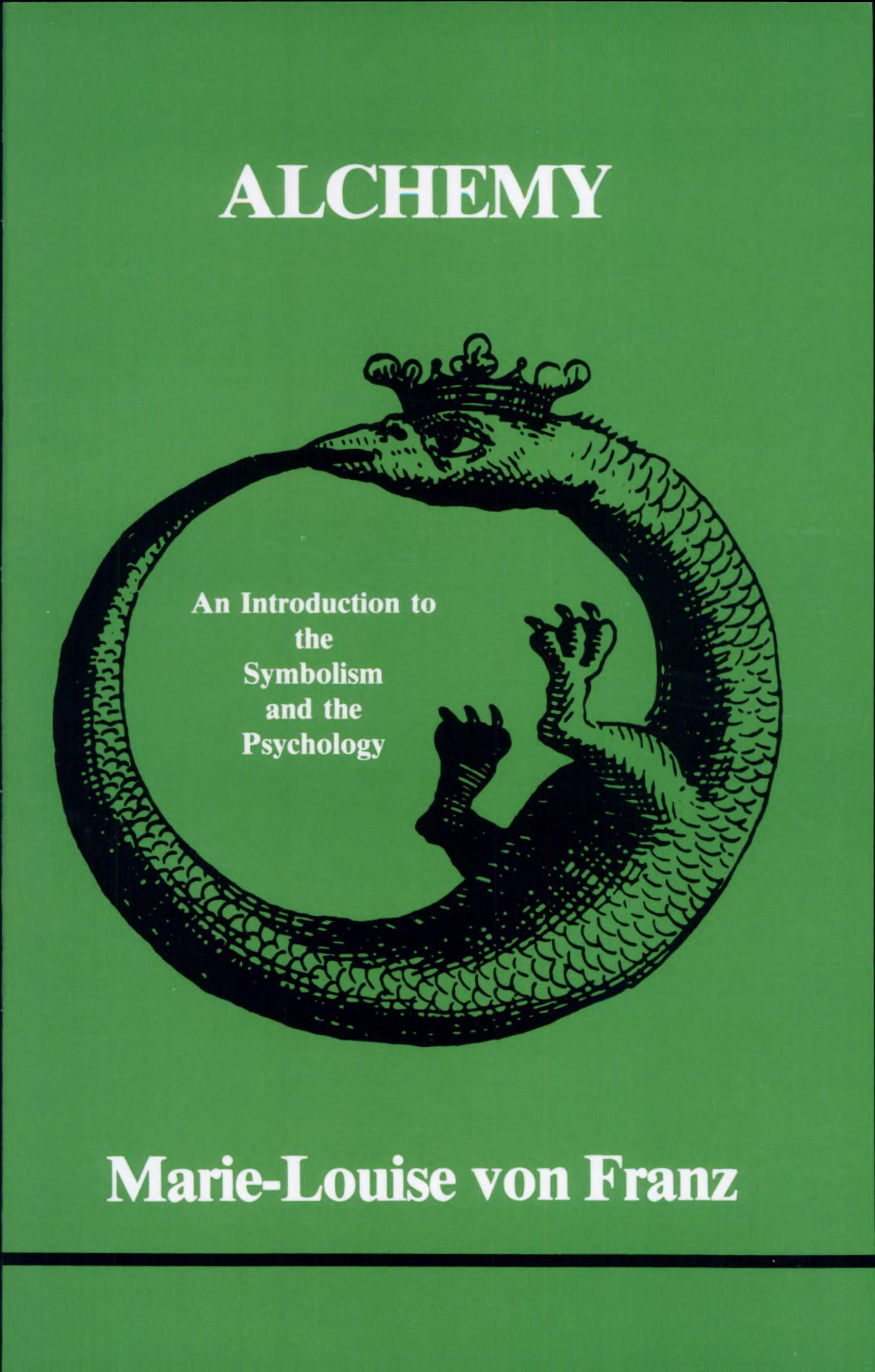
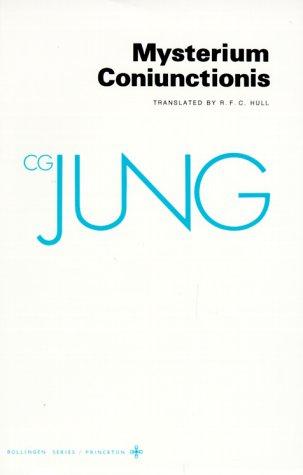
Start with Psychology and Alchemy, where Jung lays out the parallel between alchemical stages and the transformation of the psyche. Edinger’s Anatomy of the Psyche makes the stages clinically accessible — calcinatio, solutio, coagulatio, each decoded as a specific psychological operation. Von Franz provides the scholarly foundation, tracing the alchemical tradition through its historical sources with the precision of a classicist and the depth of a Jungian analyst. Hillman then reimagines the entire tradition: alchemy is not about the ego’s transformation but about the soul’s own work, proceeding through its own necessity. End with Mysterium Coniunctionis, Jung’s final and most demanding work — the union of opposites as the culmination of the opus and the telos of individuation.
This path requires patience. The material is dense, symbolic, and resistant to quick consumption. That resistance is the point. The opus takes time.
Books in This Path
We store your email and which pages you save. That's it. Ever.